
Business
Concession Of Major Airports Sparks Controversy

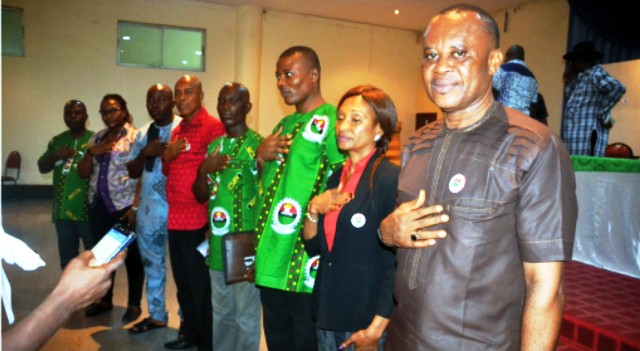
The planned concession of the Port Harcourt and three other major airports in Nigeria which are yet to be properly executed has attracted mixed reactions from stakeholders in the aviation industry.
Some of the personnel in the sector who spoke to The Tide bared their minds on how the four airports in question should be concessioned.
According to former chairman of AUPCTRE, Engr. Onyejiuwa Anthony, the four major airports; Port Harcourt, Lagos, Abuja and Kano airports are the gateway into the country, pointing out that it is still not very clear who will operate them between foreigners and Nigerians.
“If open to foreigners, it means we will be exposing this country. Consider the security challenges in the entire world today. The security of our country will be in the hands of the foreigners, if government concession the airports to foreigners, and so to concession the four major airports might not be in the best interest of the country”, he said.
For the Deputy General Manager of ATC Operations, Mr Akujobi Matins, one obvious thing to be noted is that government can not maintain infrastructure alone any longer in the aviation sector.
“The benefit in my opinion is that concession is going to attract private sector investment in terms of providing capital support needed for the development and maintenance of infrastructure which experience has shown that government can not maintain”, Akujobi said.
A member of ATSSSAN Union, Mr Arthur Amaechi, believes that concession gives a concessionaire a long term right to use all the utility assets conferred on the concessionaire, including responsibility for operation, and some investment.
He said that the most important factor to consider when deciding a concessionaire to choose is profit, adding that it will be more ideal to entrust such to professionals that can run the investment as its core competency.
By: Corlins Walter



Business
Jonathan, Diri, Others Laud Firm’s Milestone in Bayelsa …Says Project Will Drive Industrialisation, Create Jobs



-

 News2 days ago
RSG Targets Nine Million Residents in Mosquito Net Distribution Campaign
-

 Oil & Energy2 days ago
Aiyedatiwa Signs New Electricity Bill
-

 Oil & Energy2 days ago
NLNG Commissions Research And Innovation Centre In RSU
-

 Maritime2 days ago
Marine Minister Commends President Tinubu On NPERA Bill Assent
-

 News2 days ago
KenPoly Holds Eight Convocations, August 29
-

 News2 days ago
RSG Begins Another Phase of Projects Commissioning Today
-

 News2 days ago
RMAFC Completes Revenue Sharing Review, Proposes New Pay
-

 Maritime2 days ago
NAGAFF Petitions IGP Over Alleged Maritime Police Harassment