
Oil & Energy
Bank Commits $200m To Coal-To-Power Projects

In an effort to increase de
velopment of renewable energy, the African Development Bank (AFDB) has offered to provide support to the tune of $200 million towards the growth of coal-to-power projects in Nigeria.
The Managing Director and Chief Executive of Nigerian Bulk Electricity Trading Plc, NBET, Mr. Rumundaka Wonodi, disclosed this while briefing newsmen after the board’s meeting in Abuja.
Wonodi said, “it is welcome news and you know that we are also working with the World Bank for Partial Risk Guarantee, (PRG), to support the projects that we undertake.”
He assured that other coal-to-power projects like the Zuma energy project would soon be completed.
The NBET boss regretted that the World Bank is very reticent and not quite committed to giving support to coal because they deem it to be dirty fuel and not very good for the environment.
“However, the AfDB which is African understands that Africa needs power from every source that it can, is supporting coal. We welcome that and they offered to provide it in support of some of the projects that we are working on like the Zuma energy if they feel that it is necessary,” he said.
He said though it is a welcome idea but noted that it would cost about $200million to see it through.
On tariff cuts, Wonodi said, “ the tariff we are working with is the wholesale tariff which is between us and the generative companies, stressing that the collection losses were in excess and that the commission was also addressing it on consultation with the distribution companies.
He said, “currently, we have about eight distribution companies that have posted their LCs which shows that they are comfortable and confident that this market can take off the way it was designed to be.”



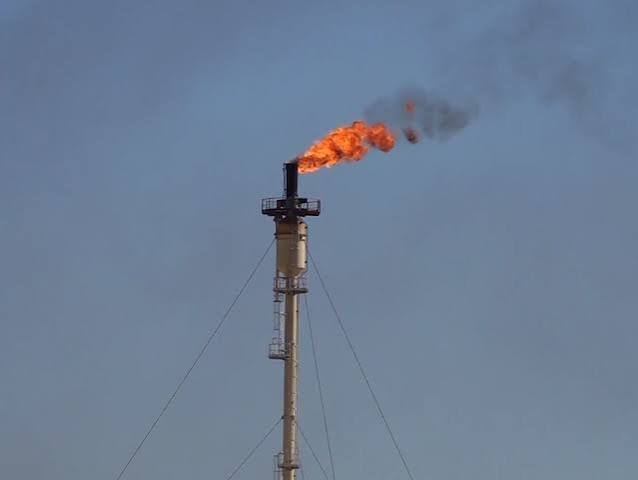

Excluding Oman, their oil exports reached 18.4 million bpd in October, although shipments remained 26 per cent below prewar levels. Crude oil exports alone totaled 15 million bpd, equivalent to 82 per cent of their volume before the conflict.
Despite the prospect of excess supply, the IEA continues to identify two major sources of uncertainty: depleted onshore inventories and the security of maritime transport.
Its latest projections indicate that the recovery in global oil supplies has outpaced its earlier expectations. The market now faces the prospect of a surplus before the end of 2026, although low inventories on land and risks to shipping routes remain unresolved.
-
News2 days ago
Bayelsa Boat Mishap: Tinubu Donates N250m As Death Toll Hits 29
-
News2 days ago
Odu Pays Tribute To Late Chinwah, Describes Him As Courageous, Selfless Academic
-

 Maritime2 days ago
Nigeria, Russia Customs Sign MOU To Trade Facilitations
-

 Sports2 days ago
World marathon champion gets three-year doping ban
-

 Maritime2 days ago
South-South Governors Urges To Shake Off Collective Lethargic To Embrace Blue Economy
-

 Featured5 days ago
RSG Moves To Implement New Wage …Urges Polytechnic Lecturers to Call Off Strike
-
 Maritime2 days ago
Oyetola Woos Investors With Nigeria’s Seabed Resources, Marine Biotechnology
-

 Business2 days ago
Moniepoint MfB transaction volume hits 1trn daily — CEO