Business
Fire Service Begins Enforcement Of New Building Code

The Federal Fire service says it has begun the enforcement of a new building code across the country to forestall the incessant fire outbreak on houses in Nigeria.
Speaking in a live programme on fire safety at the weekend, the Comptroller General of the service, Olusegun Okebiorun said that they have started enforcement of the new building code in Abuja, while other state will follow on later.
In the new building code, the Federal fire service boss stated that every building, particularly the public buildings must get the approval of the fire service before such property can be developed.
He said that there is a new standard spacing between buildings which can allow fire fighters to gain entrance into any property in the event of fire outbreak.
According to him, “recent happening and event of fire outbreak have made us to realize that our men find it difficult to penetrate the buildings to fight the fire, even when they are equipped, and that has helped us to look for solutions.”
Olusegun posited that his men while going round to ensure that there is compliance to the new code, and urged the organs of states, federal and local government to cooperate to ensure that water is always available to fight fire.
He also urged the stakes to take the issue of fire safety more seriously, and that they should recruit more personnel, as well as set up more fire fighting stations in their domain.



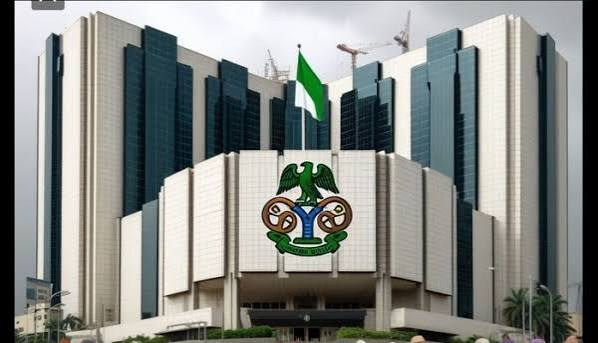
Credit to Nigeria’s private sector rose to N83.26 trillion in June 2026 from N81.04 trillion in May, signifying a positive balance of N2.22 trillion month-on-month.
Year-on-year, the figure represents a nine per cent increase compared with the N76.13 trillion recorded in June 2025. The latest figures come as the CBN continues to balance efforts to control inflation with the need to support economic growth and expand credit to businesses.
The CBN data shows that credit to Nigeria’s private sector increased by approximately 2.74 per cent month-on-month between May and June 2026. Also, the CBN data noted that credit to the government fell slightly to N40.03 trillion from N40.38 trillion. Other assets, net, dropped to N10.76 trillion from N12.63 trillion.
The credit surge signifies sustained growth in lending to businesses and other private-sector borrowers during the month. The rise in private sector credit was recorded alongside an increase in net domestic credit, despite declines in credit to government and other assets.
Further analysis of the report says that compared with June 2025, private sector credit rose by about N7.13 trillion yea-on-year but net domestic credit increased by approximately N1.87 trillion during the month.
The CBN’s relatively tight monetary policy stance notwithstanding, more banks still loaded funds to the private sector within the period. The Monetary Policy Committee (MPC) of the Central Bank of Nigeria (CBN) held its 306th meeting on July 20 and 21.
The Committee reviewed recent developments in the global and domestic economies, assessed emerging risks to the outlook and considered their implications for monetary policy and retained all rates.
The Committee decided to retain the Monetary Policy Rate at 26.5 per cent; the Standing Facilities Corridor around the MPR at +50/-450 basis points and retain the Cash Reserve Requirement (CRR) for Deposit Money Banks at 45.00 per cent, Merchant Banks at 16.00 per cent, and non-TSA public sector deposits at 75.00 per cent.
The MPC decision means that credit extension in the private sector will likely continue to rise because of rising confidence in the sector and calls by stakeholders for banks to invest in the private scetor instead of government securities.