
Nation
THE STATES

Adamawa
Adamawa acting Chief Judge, Justice Batimawus Lawi, has fixed April 3 for ruling in the case challenging the impeachment of former Speaker and Deputy Speaker of Adamawa House of Assembly.
The impeached speaker and deputy, Alhaji Sadiq Ibrahim and Mrs Wale Fwa respectively, had instituted the suit against the House, the new Speaker, Alhaji Ahmadu Fintiri and his deputy, Mr Laori Kwamoti.
The plaintiffs had asked the court to declare their removal in December 2011 as null and void.
Lawi fixed April 3 for ruling on Thursday, in spite of the absence of counsel to the plaintiffs, Mr Kanu Agabi (SAN), who did not show up nor send representation during the court’s sitting on Wednesday.
Agabi was to appear and reply to submissions already made during previous sittings by counsels to the respondents, but after waiting in vain, the respondents called on the court to strike off the case.
Bauchi
The Bauchi State Office of the Millennium Development Goals (MDGs) has donated 60 ambulances, tri-cycles and motorcycles to the Bauchi State Government to boost health care services in the state.
The Focal Person of the MDGs Office in the state, Alhaji Sambo Jumberi, made the disclosure on Thursday in Bauchi while handing over the items to the state’s Deputy Governor, Alhaji Sangir Saleh.
Jumberi said the MDGs had earlier provided 40 ambulances to 40 healthcare centres and clinics in the state and had also provided 200 solar-propelled boreholes to some healthcare institutions.
He said the MDGs had also constructed 40 ten-bed-capacity health centres while some dispensaries were renovated.
Jumberi said the MDGs had similarly, provided drugs and equipment to 57 primary health centres in the state while 600 units of latrines were constructed in some rural areas to improve sanitary conditions of communities.
Borno
The Borno Police Command, on Sunday announced the arrest of 11suspects involved in an attack on Mobile Police Base, Bama.
The Police Public Relations Officer (PPRO) Mr Samuel Tizhe, told newsmen in Maiduguri that one of the attackers was killed and several explosive devices were recovered.
“Some gun men launched an attack on a mobile police base in Bama around 5.30pm. The gallant officers successfully repelled the attack.
“One person was killed and 11 others arrested. arms and several improvised explosive devise (IED)s were recovered from them,” Tizhe said.
FCT
The Comptroller-General of the Nigeria Customs Service (NCS) Alhaji Abdullahi Dikko, said that only 10 countries out of the 23 West and Central African Regional Countries paid the 10,000 euros annual contribution for capacity building in the World Customs Organisation (WCO).
Dikko made the announcement while presenting the report of the Eighth Meeting of the Committee of Experts of the West and Central Africa (WCA) Region of the WCO in Cotonou, Benin Republic.
Dikko, who is also the vice-chairman of the WCA Region of the WCO was represented by Deputy Comptroller-General of the NCS, Mr Manassah Jatau, at the meeting of the committee of experts.
He said that the payment of the annual contribution was adopted during the 15th conference of customs director generals of WCA in Bamako, Mali in 2010.
Gombe
Executive Secretary, National Primary Health Care Development Agency (NPHCDA), Dr Ado Mohammed, has commended Gombe State for having the lowest maternal and child mortality rate in the North East zone of the federation.
Mohammed gave the commendation at the launching of the free polio programme in Gombe on Saturday.
He also applauded the state for ensuring that there was no recorded case of polio since 2009.
Mohammed said that Gombe State was surrounded by states with cases of polio, charging the state to maintain the tempo.
He said the success achieved in Gombe State was as result of the government’s commitment as well as the effort put in by other development partners like WHO, UNICEF and other non-governmental bodies.
Kaduna
The newly deployed Police Commissioner in Kaduna State, Mr Mohammed Abubakar, said on Saturday that the gunmen who attacked villagers in Nayida Talakkwacha were on reprisal mission.
The gunmen, who attacked the villagers in the Chickun Local Government Area of the state, killed no fewer than 10 persons, including a pastor, injuring five others.
Abubakar, who addressed reporters in Kaduna after visiting the scene of the incident, said the attackers, were relations of victims of the April 2011 post election crisis.
“ The attack appeared to be a reappraisal by relations of those who were victims of the post-general election crisis in April 2011 in Kaduna State that lost their lives and property.”
Kano
In its efforts to reduce the emission of poisonous substances such as ‘dioxin’ and ‘furan’, the Federal Ministry of Environment has organised a training programme for scavengers and waste handlers in Kano State.
Dioxin is a highly toxic compound produced as a byproduct in some manufacturing processes.
Furan is a group of colourless, volatile, heterocyclic organic compounds containing a ring of four carbon atoms and one oxygen atom, obtained from wood tar used in nylon and tanning production.
The Project Manager and Technical Director, ‘Less Burnt for a Clean Earth Project’ in the ministry, Mr Idi Maleh, disclosed this in Kano in an interview with newsmen.
He said that the trainees were drawn from the Kano Waste Management and Sanitation Board, Kano State Ministry of Environment and eight local government areas in the state.
He said that the training was necessitated by the health implications of getting in contact with dioxin and furan.
Kogi
The Kogi State Governor, Capt. Idris Wada, has approved the construction of two additional hostel blocks at the state-owned Polytechnic in Lokoja.
The Rector of the school, Prof. Mathew Ajibero, made the announcement on Saturday in Lokoja at the sixth matriculation ceremony of the polytechnic, saying that the hostels would be constructed this year at the Itakpe and Lokoja campuses of the institution.
He said that the governor had also approved the release of three new transformers and roll-on roll-off bins for the campuses.
Ajibero, who recalled that the governor made the approval during his maiden visit to the main campus about two weeks ago, said that the State Government had agreed to undertake the construction of new road network and water projects.
Kwara
A fish farmer, based in Ilorin, Mr Babatunde Daniels, has told the Kwara Government to partner fish farmers to boost fish production and create employment for residents of the state.
He made the call on Thursday in Ilorin in an interview with newsmen.
Daniels said the call became necessary because “fish farming is a lucrative venture that can provide jobs for the unemployed in the state, adding that “it takes little to start the business”.
He said that fingerlings in fresh water could get matured within a month and ready for sale.
The fish farmer said that proper training in fish farming with the support of the State Government, could create an enabling environment for jobless youths not only to be gainfully employed and self-sufficient but also garner experience on fish production.
He expressed the resolve of his organisation to liaise with the government in training people on how to produce fish, grass cutters, rabbits and pigs.L
Lagos
The Secretary of the State of Missouri, U.S., Ms Robin Carnahan, has identified women empowerment as a key factor for national development.
Speaking during a courtesy visit to the Lagos State Deputy Governor, Mrs Adejoke Orelope-Adefulire, Carnahan said that any country seeking economic advancement must invest in the wealth of its women.
“Culture, child care, cash and confidence are some of the factors limiting women from achieving their full potential.’’
Carnahan said that women in top positions, be they political or corporate, must encourage women to participate in nation building.
She also urged women to train and mentor others as well as work with men and embrace technological advancements.
Niger
More than N27.7 billion pension has been paid by the Niger government under the Pay-As-You-Go and the Contributory Pension schemes in the state from May 2007 to December 2011, an official said.
Mr Benu Yahaya , Director General of of the state’s Pension Board told newsmen in Minna that N15.3 billion went into the Pay-As-You-Go pension scheme, while N12.4 billion was for the Contributory Pension Scheme.
He said the board had also settled the outstanding pension liability of N1.4 billion inherited from the previous administration in the state.
The director general added that the government had paid N453 million arrears of the 142 per cent pension increase, which came into effect in 2000.
Yahaya, who said the government had since 2007 domesticated the Pension Reform Act of 2004, also disclosed that an average of N200 million was being spent monthly on pension payment.
The amount, he explained, covered the pension of 12,121 people on the pension pay roll of the state government and the 25 local councils.
He said more than 50,000 civil servants in the state had registered with Pension Fund Administrators (PFA), adding that the government had been regular and up to date in the release of the pension funds.
Plateau
Plateau government has assured the NYSC batch “A” corps members posted to the state of adequate security during orientation and their places of primary assignment.
Commissioner for Youth Development, Mr Lohfa Bako, who represented Gov. Jonah Jang, gave the assurance on Thursday in Jos, during the swearing-in ceremony of the 2012 batch “A” corps members.
Bako said that adequate security arrangement had been made to ensure their safety during the service year.
The commissioner urged the Corps members not to entertain any fear as all hands were on deck to ensure their safety.
He, however, cautioned them on the need to be security conscious.
Plateau NYSC Coordinator, Mr Maram Maful, in his speech, said that the scheme, in collaboration with the various security agencies, had mapped out strategies to secure the corps members.
He commended the Plateau government for the support the scheme had received, and especially for the work going on at the permanent site in Mangu Local Government Area.
Our correspondent reports that 508 corps members, comprising 309 males and 199 females, were registered on camp.



As the world marked the 2026 International Day of the Girl Child on Sunday, October 11, 2026, a non-governmental organisation, Stand Up for Women Society (SWS) has intensified its campaign against child marriage, urging schoolgirls to prioritise education, protect their rights and develop skills for a better future.
The organisation joined the global observance of the day under the theme, “International Day of the Girl Child: End Child Marriage and Invest in Girls’ Rights,” with a sensitisation programme at Government Girls Secondary School, Oromenike, D-Line, Port Harcourt, Rivers State.
Led by its Vice Chairperson, Daba Benebo, the group engaged the students in discussions on the dangers of early marriage, teenage pregnancy, sexual abuse and other challenges that threaten the education, safety and development of the girl child.
Speaking during the programme, Benebo urged the students to reject early marriage and remain focused on their studies, stressing that education would empower them to make informed decisions about their lives and future.
She cautioned the girls against allowing anyone to deprive them of their right to education and dignity, advising them to report cases of harassment, abuse and other violations of their rights to the appropriate authorities.
Benebo assured the students that SWS remained available to support them whenever they encountered violations of their rights.
She also encouraged them to maintain discipline and responsible conduct while avoiding behaviours that could expose them to negative influences and jeopardise their future.
Beyond formal education, the SWS vice chairperson urged the students to acquire vocational skills that could provide additional opportunities for economic independence and help them navigate future challenges.
The sensitisation programme, enlivened by singing, dancing and to share their views and experiences on issues affecting the girl child interactive sessions, provided an opportunity for the students to share their views and experiences on issues affecting the girl child.
One of the major issues raised during the discussion was the appropriate age for marriage. While some participants maintained that 18 years was the constitutionally approved age, the discussion highlighted the need to consider not only age but also the maturity, preparedness and responsibilities associated with marriage.
The speaker stressed that marriage required adequate mental and emotional preparation, as well as the capacity to shoulder its responsibilities.
She therefore advised the students to concentrate on acquiring a sound education before considering marriage, noting that education would equip them with the knowledge and skills needed to make responsible decisions and manage family life.
The issue of teenage pregnancy also featured prominently during the question-and-answer session.
In addressing the subject, the speaker explained that pregnancy could occur even at the age of 12, using the example to underscore the vulnerability of young girls to the consequences of early sexual activity.
She advised the students to avoid sexual intercourse and prioritise their education, personal safety and future aspirations.
The discussion also examined the difficulties some girls encounter when living with hostile spouses, relatives or guardians.
Benebo encouraged the students to cultivate patience, humility and diligence, noting that these qualities could help them navigate difficult situations and build a brighter future.
However, she warned that patience and humility should never be interpreted as an obligation to endure violence, abuse or degrading treatment.
She urged girls experiencing hostile or abusive living conditions to seek help from their parents, trusted adults or appropriate support services rather than remain in environments that could expose them to physical or emotional trauma.
“When such happens, please return to your parents and engage in petty trade or learn a skill to support your education rather than stay in a hostile environment,” Benebo stressed.
The programme also underscored the importance of protecting girls from early marriage and other harmful practices that can disrupt their education, compromise their well-being and limit their opportunities in life.
It also reinforced the need for families, schools, communities and relevant organisations to work together to ensure that girls have access to education, vocational training, protection and the support they need to realise their potential.
For SWS, the message was clear: empowering the girl child begins with protecting her rights, investing in her education and equipping her with the confidence and skills to make informed choices about her future.
Stories by Kevin Nengia
The Egberipapa Foundation has unveiled a mass transit scheme aimed at easing transportation difficulties and improving connectivity among communities in the three Kalabari local government areas of Asari-Toru, Degema and Akuku-Toru in Rivers State.
The initiative, established by former Caretaker Committee Chairman of Akuku-Toru Local Government Council, High Chief Sobomabo Jackrich, popularly known as Egberipapa, is designed to make transportation more accessible and affordable for residents across the Kalabari area.
The scheme was launched on Monday, October 12, 2026, and is expected to address longstanding transportation challenges confronting residents, particularly those in riverine and hard-to-reach communities.
Communities expected to benefit from the initiative include Krakrama, Minama, Angulama, Sangama, Omekwe-Tariama and Omekwe-Ama.
The project is expected to ease movement within and beyond the Central Group area, while providing residents with a more convenient means of transportation for their daily activities.
For decades, transportation difficulties have posed significant challenges to several Kalabari communities, making movement between settlements both cumbersome and expensive. These challenges have also affected commercial activities, social interactions and access to essential services.
The introduction of the mass transit scheme is therefore expected to provide relief to residents, strengthen inter-community connections and stimulate economic activities across the benefiting communities.
Beyond improving mobility, the initiative could contribute to community development by facilitating the movement of people and goods, supporting local businesses and enhancing social and economic interactions within the Kalabari area.
As the scheme gets underway, attention will be focused on its implementation, accessibility and sustainability, as well as its capacity to deliver lasting transportation benefits to the target communities.
The initiative represents a potentially significant step towards addressing transportation challenges and promoting grassroots development across the Kalabari Kingdom.
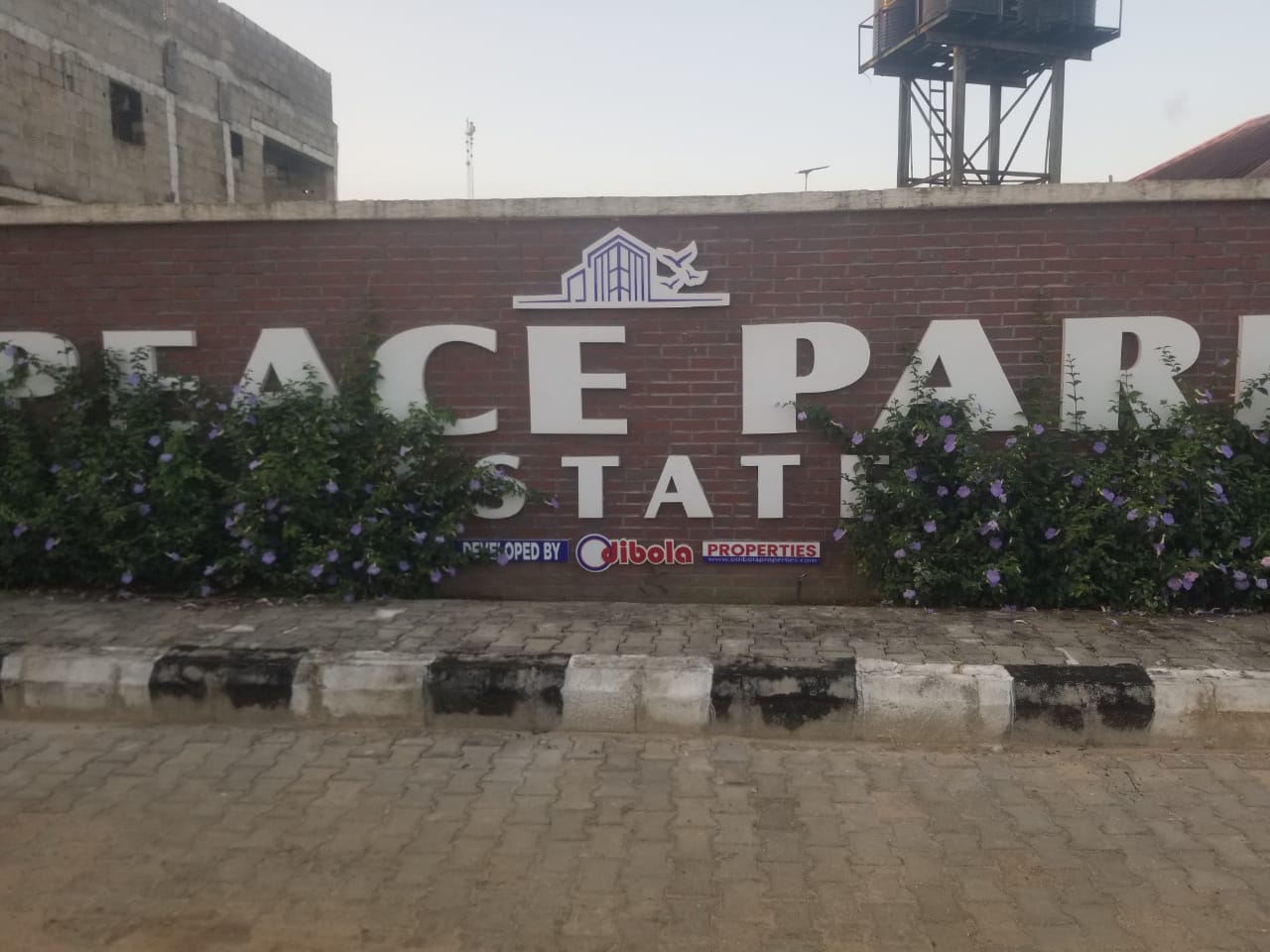
The Amaewhule family of mbodo Aluu in Ikwerre Local Government Area of Rivers State has cautioned members of the public against entering into any land transaction involving a disputed property known as “Ada Oro Fam Land,” located behind the OPM Church along Airport Road.
The family, through its legal counsel, Barrister Ndubuisi Agumagu, issued the warning amid an ongoing legal dispute over the ownership and control of the property, which is said to comprise more than 900 plots of land.
The matter is currently before the Isiokpo High Court of Rivers State in a suit numbered IHC/246/CS/2026, presided over by Justice Sobere Biambo.
The claimants in the suit include Chief Green Amaewhule and others, while Fabulous Amaewhule and Odibola Properties are listed among the respondents.
Counsel to the Amaewhule family, Barr Ndubuisi Agumagu, advised prospective land buyers and members of the public to exercise caution and refrain from purchasing any portion of the disputed property pending the determination of the case by the court.
According to the legal counsel, the property is a family estate belonging collectively to the Amaewhule family, and no individual member of the family has the authority to unilaterally dispose of portions of the land.
The counsel specifically maintained that Fabulous Amaewhule, one of the respondents in the suit, does not have the legitimate authority, according to the family’s position before the court, to sell portions of the disputed property.
The family further warned that anyone who proceeds to purchase land from the respondents while the matter remains before the court would be doing so at their own risk.
It stressed that such buyers could potentially lose their investments should the court eventually deliver judgment against the validity of the transactions.
The legal team said the warning became necessary to prevent unsuspecting members of the public from committing their resources to a property whose ownership and right of disposition are currently the subject of judicial determination.
The family also urged prospective investors, developers and land buyers to conduct proper legal inquiries and obtain independent verification of the status of the property before committing funds to any transaction relating to it.
The Amaewhule family said its position was intended to protect members of the public from possible financial losses and further legal complications while the case remains sub judice, stressing that interested parties should await the final determination of the court.
Akujobi Amadi
-

 Oil & Energy2 hours ago
S&P Global Warns Hormuz Energy Shock Could Become A Global Food Crisis
-

 News2 hours ago
FG releases N38.93bn to upgrade 166 tertiary institutions
-

 News2 hours ago
NDLEA Recovers Tons Of Illicit Drug Consignments In Nine States
-

 News2 hours ago
Rivers Community Raises Alarm Over Alleged Security Invasion
-

 News2 hours ago
Ebola: NCDC Approves N100,000 Weekly Payment For Contacts
-

 Oil & Energy2 hours ago
Gas Reserves Hit 215 Trillion Cubic Feet
-

 News2 hours ago
IGP Proposes 200% Gratuity, Pension For Retired Officers
-
 News2 hours ago
Senate Passes Bill For Establishment Of Federal University Of Agriculture In Rivers