
Business
US Oil Price Drops To $10 As Coronavirus Hits Demand

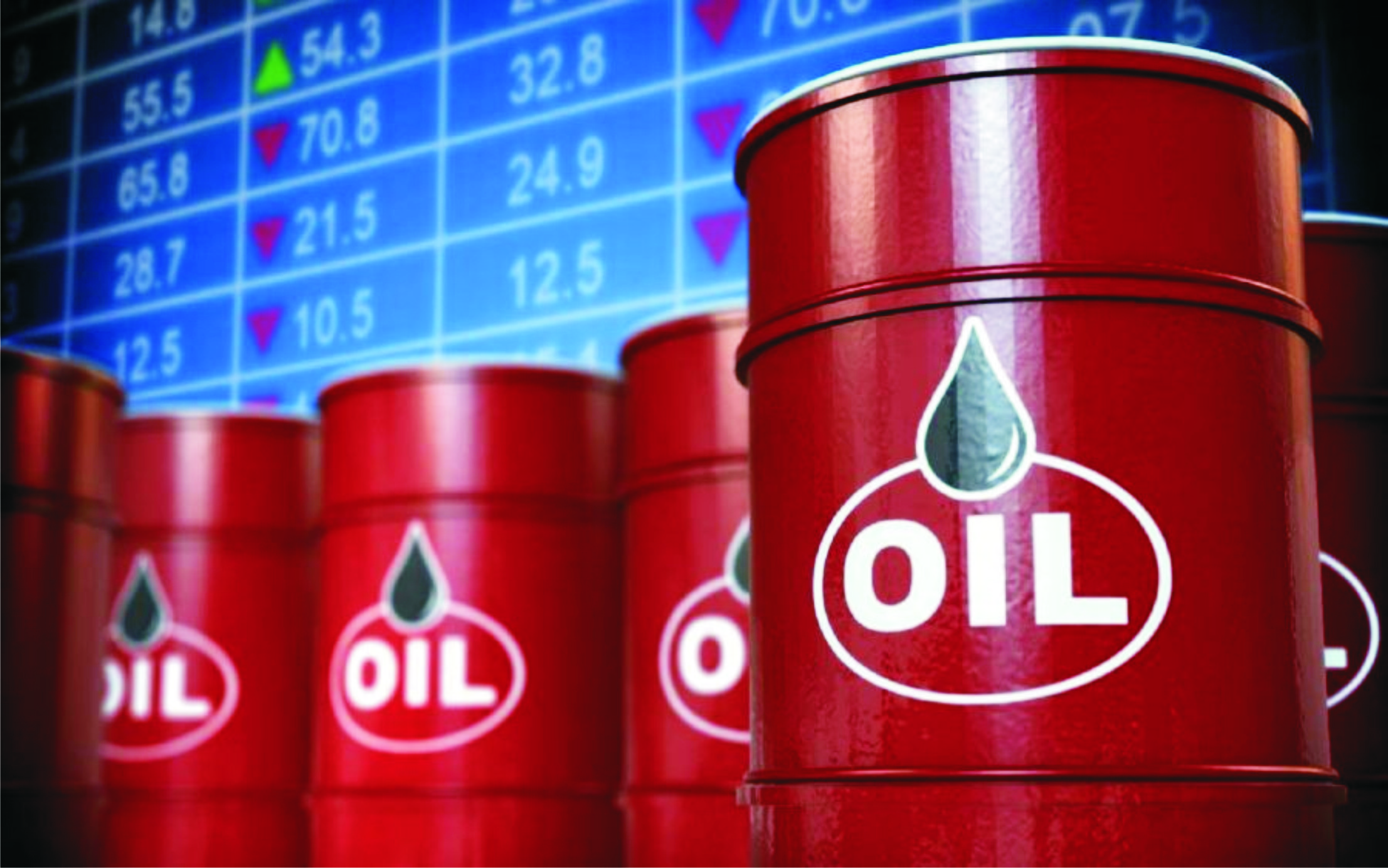
United States oil prices dived to 22-year lows under $11 yesterday after crashing 40 per cent in a market flooded with crude as demand evaporates in the face of the coronavirus pandemic.
Ahead of Wall Street opening, the US benchmark West Texas Intermediate (WTI) crude for May delivery sank to $10.77 — the lowest level since 1998.
Trade, however, was also technically driven as investors closed out their positions ahead of the May contract expiry yesterday. The June contract was down 9.7 per cent at $22.60.
“The real problem of the global supply-demand imbalance has started to really manifest itself in prices,” said Rystad Energy analyst Bjornar Tonhaugen.
“As production continues relatively unscathed, storage is filling up by the day. The world is using less and less oil and producers now feel how this translates in prices.”
The European benchmark contract, London Brent North Sea oil for June delivery, was down 6.5 per cent at $26.27 per barrel.
Signs that the coronavirus may have peaked in Europe and the United States failed to lift Asian and European financial markets generally.
Traders are instead becoming more and more concerned that oil storage facilities are reaching their limits, as stockpiles continue to build owing to the crash in demand caused by the COVID-19 pandemic.
Analysts said this month’s agreement between OPEC and its peers to slash output by 10 million barrels a day was having little impact because of the virus lockdowns and travel restrictions that are keeping billions of people at home.
WTI was hit particularly hard as its main US storage facilities in Cushing, Oklahoma, were filling up, with Trifecta Consultants analyst Sukrit Vijayakar saying refineries were not processing crude fast enough.
There are also plenty of supplies from the Middle East with no buyers as “freight costs are high”, he told AFP.
AxiCorp’s Stephen Innes added: “It’s a dump at all cost as no one… wants delivery of oil, with Cushing storage facilities filling by the minute.
“It hasn’t taken long for the market to recognise that the OPEC+ deal will not, in its present form, be enough to balance oil markets.”
But market analyst Patrick J. O’Hare noted that the collapse in oil prices is not just a problem for the energy sector.
“It’s also a problem for the financial sector and investor sentiment in general, as weakening oil prices increase angst about solvency risk, geopolitical risk, and social unrest in countries that are heavily reliant on oil revenue,” he said in a note to clients.
Stock markets were mostly lower despite governments starting to consider how and when to ease the lockdowns that have crippled the global economy.
Italy, Spain, France and Britain reported drops in daily death tolls and slowing infection rates, while Germany began allowing some shops to reopen and Norway restarted nurseries.
Mounting evidence suggests that the lockdowns and social distancing are slowing the spread of the virus.
That has intensified planning in many countries to begin loosening curbs on movement and easing the crushing pressure on national economies.


Business
IPMAN Raises Concern Over Delay In Chinese Refinery Deal …Predicts Lower Fuel Prices Through Competition


-
Rivers23 hours ago
Rivers Police Uncovers Firearm Concealed In Loaf Of Bread
-

 Niger Delta19 hours ago
Pro-Chancellor Hands Over Okey Onuchuku Peace, Conflict Institute Building
-

 News20 hours ago
Fubara Reaffirms Commitment To Blue Economy, Private Sector Growth …Calls For Protection Of Marine Resources
-
Sports23 hours ago
Six Nigerians To Play For NBA Teams
-
Business23 hours ago
Gas Economy: Decade of Gas, Pi-CNG/ EV Deepen Media Engagement
-
Business24 hours ago
Navy Nabs 13 Black Sand Miners In Bayelsa –Impound Two Boats
-

 Business20 hours ago
IPMAN Raises Concern Over Delay In Chinese Refinery Deal …Predicts Lower Fuel Prices Through Competition
-
Business23 hours ago
Accountable Leadership, Urgent Reforms Will Stimulate Economic Growth — Osi