
Nation
Troops Kill 73 ISWAP Terrorists, Capture 44 AK-47 Rifles, 14 Others

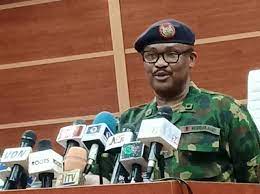
Following a ferocious land and air operation in the North-East involving troops of the Nigerian Army, backed by airstrikes on one hand and naval clearance operations along the fringes of Lake Chad on another hand, the Nigerian military has killed a total of 73 Boko Haram terrorists and recovered 44 AK-47 rifles as well as seven anti-aircraft guns.
The Acting Director, Defence Media Operations, Brig-Gen Bernard Onyeuko, who made this known, yesterday, also disclosed that two PKT guns, seven gun trucks, several ammunition of different calibre as well as weapon cleaning materials, vehicles, generators, IED materials, religious scripts and other items were recovered in the process.
Onyeuko said that, “In another operation a total of 55 escapees from terrorists’ camps comprising 15 adult males, 12 adult females and 27 children surrendered to own troops at Darajemel in Borno State.
“During the operations, troops consistently struck BHT/ISWAP strongholds throughout the theatre of operation. Some of the feats were achieved at Bula Village in Yobe State and Banki Town in Borno State on June 27 and 28, 2021, when troops repelled terrorists’ attacks. Troops also conducted offensive deep penetration operations into villages of the Timbuktu Triangle.
“Similarly, troops conducted ambush operations as well as responded to distress calls, repelled BHT elements attacks on troops’ locations and dominated the theatre of operations. Equally, the Air Component of Operation Hadin Kai conducted series of Intelligence Surveillance Reconnaissance and air interdiction missions to reveal and destroy terrorists’ enclaves as well as their logistic supplies and equipment.
“The Air Component of Operation Hadin Kai, also in coordinated multiple airstrikes, destroyed some terrorists’ commander’s strongholds at the Lake Chad axis of Borno State. The air strikes were targeted at various terrorists’ camps in Sabon Tumbu, Jibularam and Kwalaram Towns in the state.
“During the air operations, the spiritual base and training camps of the terrorists in the North-East part of Borno State and the fringes of Lake Chad were destroyed by air bombardments. These came on the heels of credible intelligence report which revealed that, some top ISWAP/BHT commanders were holding a meeting at the said locations”.
In the South-West, Onyeuko said troops acting on intelligence report on ongoing illegal oil bunkering activity at Alimosho NNPC pipeline, arrested one Mr Oyeshola Saheed acting as the illegal bunkerers’ supervisor.
“Me Saheed, however, named one Mr Akanbi as the sponsor and financier of the illegal bunkering activities in the area. Both vehicles and equipment used for their operations were recovered and handed over to appropriate agency for necessary action”.
Operation Awatse operational activities also sustained routine patrols to forestall activities of vandals on NNPC pipelines at Gaun, Akute, Wawa 1 and 2 and Mabgero areas.
“Additionally, troops carried out standing patrols and raid operations at strategic areas in the Zone including Majidun area, during which one Mr Ibrahim Musa, an ISWAP member was arrested at No 31, Abartura Street in Sango-Ota, Ogun State. Intelligence report revealed that Ibrahim was on a mission to Lagos to acquire certain items for ISWAP’s operations in Maiduguri”.
On banditry, he said troops of operation Hadarin Daji and other security agencies conducted raid, ambush, cordon and search, rescue and clearance operations in North-West with several aerial patrol, Intelligence Surveillance Reconnaissance and air interdiction missions.
“Following credible intelligence report on criminals’ activities, operations were conducted on bandits and kidnappers’ hideouts as well as against drug peddlers at Gusau – Magami Road in Gusau LGA of Zamfara State; Makuku in Sakaba LGA of Kebbi State; as well as Batsari and Jibia LGAs in Katsina State.
“Other locations include Unguwar Kade village in Tsafe LGA and Bingi village in Bungudu LGA of Zamfara State. The operations led to the repelling and arrest of kidnappers and drug peddlers who confessed to supplying illicit drugs to miners as well as other criminal elements.
“The operations also led to the neutralization of some armed bandits; peaceful resolution of farmers/herders’ clashes; recovery of arms and ammunition as well as recovery of rustled livestock.
“The operations also resulted in the rescue of kidnap victims in various locations including a teacher and some students kidnapped at the Federal Government College in Birnin Yauri, Kebbi State as well as arrest and rescue of some trucks of rustled livestocks in different locations of the theatre.
“Some gunrunners and bandits logistics suppliers, including one Lawali Na Habu was also intercepted with trucks loaded with large quantities of AGO at Tangaza LGA of Sokoto State and one Mallam Ibrahim Aliyu, a wanted notorious bandit was also arrested.
“The Air Component of Operation Hadarin Daji also conducted series of air operations, provided Close Air Support for ground troops and dominated the air space. Troops also conducted aggressive fighting and confidence building patrols to reassure citizens of the commitment of AFN to end all of form criminalities in the zone”.
Regarding Operation Delta Safe, Onyeuko said, “Troops sustained anti-crude oil theft, anti-illegal oil bunkering, anti-smuggling and anti-militancy operations.
“These operations led to the deactivation of illegal oil refining sites and disconnection of illegal oil pipelines. Troops also arrested several criminal elements, intercepted and confiscated large quantities of contraband vessels and items as well as recovered weapons and stolen items between June18 and 30.
“These operations were conducted at Sara Creek in Warri South West LGA and Ikpoba Community in Okha LGA of Delta State. Operations were also conducted on a compound at Lagos bus stop by Railway Station in Port Harcourt; Jokri, Opuadakiri and Jombosco areas; as well as Asapama Creek and Kaa Community Market in Khana LGA of Rivers State.
“During the operations, several illegal oil refining units with ovens, metal storage tanks, coffer dams and dugout pits were deactivated, while large quantities of illegally refined AGO and stolen crude oil were recovered.
“Troops also arrested kidnappers and other persons along with several trucks laden with large quantities of illegally refined oil products in tanks and nylon sacks. On the whole, troops remained on high alert to effectively respond to threats and deter any form of unpredictable criminal activities in the theatre of operation within the period”.
Onyeuko said, “Troops of Operation Safe Haven had contact and engaged criminal elements in some cases and subdued them with superior firepower in Plateau State.
“Operation Safe Haven also engaged in non-kinetic operations by holding peace and security meetings with various community and youth leaders as well as other stakeholders.
“These operations were executed against bandits and other criminal elements’ enclaves in communities at Jos South LGA and Gidan Daabat along Lafia – Shendam Road in Plateau State. Others were conducted at Kadunu Forest, Kasai and Naphan villages in Barkin Ladi LGA, as well as Barkin Kaya in Wase LGA of Plateau State.
“In the course of the operations, troops neutralized scores of armed bandits and armed herdsmen, arrested or apprehended bandits’ informants, gunrunners, political thugs and kidnappers. Troops also rescued kidnap victims as well as recovered hoards of livestock and assorted arms and ammunition within the period.
“Furthermore, troops held multiple security and peace meetings with youth/community leaders as well as stakeholders at Agwatyap Place in Zango Kataf LGA of Kaduna State; Wase Emir’s Palace in Wase LGA; Tenti Area Command in Bokkos LGA; Barkin Ladi LGA Headquarters as well as Jos South LGA in Plateau State.
“The meetings were to sensitize stakeholders on the need to embrace peace and pave way for peaceful coexistence amongst them. Issues discussed during the meetings were centred on measures required to curtail farm destruction, night and underage grazing, livestock rustling, farm encroachment as well as other security challenges.
“The meeting also discussed on how to proffer solutions to tackle the incessant isolated killings and kidnappings in the various areas.
“In the North Central, troops conducted clearance operations at some armed herdsmen, bandits’ enclaves and kidnappers’ hideouts at Egba Village in Agatu LGA, Tse Ndever in Mbayongo Council Ward and Gborgbor Village in Katsina Ala LGA.
“Other locations includes; Dyom Village and Saeyongo Village in Utange Council Ward; Katsina Ala and Donto Village in Otukpo LGA of Benue State.
“The operations resulted in the neutralization of scores of armed bandits, gang members and other criminal elements. It also resulted in the recovery of caches of arms and ammunition including several AK-47 and FN rifles, assorted rounds of different calibers of ammunition and rescue of large numbers of rustled livestock.
“In addition, troops successfully quelled crisis between the Ezza Tribe in Odoke Ulanyi Council Ward in Ado LGA of Benue State and Effium Tribe in Akparata in Ohaukwu LGA of Ebonyi State.”
“Troops of Operations Whirl Punch and Thunder Strike conducted the raid, rescue and ambush operations, land and aerial patrols as well response to distress calls. These were executed on the heels of credible intelligence reports on criminal activities in the area.
“These operations were conducted at Kankomi Village in Kachia LGA, along Jaka Da Rabi-Rugan Wakili Junction in Chikun LGA and Angwan Rukuba Mariri in Lere LGA of Kaduna State as well Kugiya Area of Bukuru in Jos South LGA of Plateau State.
“During the operations, scores of criminal elements including, Mr Rotji Yowel (aka Castro) and Mr Manji Yamani alongside their cohorts as well as some armed herdsmen were arrested. Relatedly, troops swiftly intervened and rescued kidnap victims on various occasions and in the course of the operations, caches of AK-47 rifles, Dane guns and ammunition were recovered and hoards of livestock rescued.
“Furthermore, troops of Operations Whirl Punch and Thunder Strike within the period in focus held security and peace meetings with Fulani Community leaders and Miyetti Allah Excos from Zango Urban in Zango Kataf LGA as well as other stakeholders at Kafanchan and Dangwa Village in Jama’a LGA in Kaduna State.
“The meetings were aimed at sensitizing the leaders on the need to take responsibility for security in their respective areas and build peace amongst them. Issues discussed were centred on the incessant farm encroachment and measures to curtail farm destruction, the proliferation of prohibited firearms and attacks on innocent people amongst others issues.”



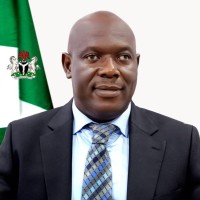
In a statement signed by the Project Coordinator, Prof Nenibarini Zabbey, to commemorate the anniversary, HYPREP described the anniversary as a significant milestone in Nigeria’s environmental restoration efforts, noting that the project has made remarkable progress in implementing the recommendations of the landmark UNEP report released on August 4, 2011.
The UNEP report had revealed extensive oil pollution across Ogoniland, severe environmental degradation, and serious public health risks resulting from decades of petroleum operations. It also recommended an initial $1 billion fund to commence the cleanup of the affected communities.
According to HYPREP, the Federal Government formally launched the Ogoni clean-up in 2016, while the Project Coordination Office was established in 2017 to drive the implementation of UNEP’s recommendations.
Zabbey said the current administration has continued to prioritise the project under the Renewed Hope Agenda.
Providing an update on the cleanup, the Project Coordinator disclosed that 30 of the 65 contaminated sites identified by UNEP have been fully remediated, while work is ongoing at several medium- and high-risk locations. It also stated that more than 1.5 million mangrove seedlings have been planted as part of what it described as the world’s largest restoration of oil-degraded mangroves, with over 1,000 hectares of shoreline already rehabilitated.
Zabbey further revealed that 49 Ogoni communities have been connected to potable water schemes through multiple water projects and booster stations aimed at providing safe drinking water across the region.
In the health sector, he said the 100-bed Ogoni Specialist Hospital in Kpite and the 43-bed Cottage Hospital in Buan are nearing completion, adding that several existing health facilities have been upgraded with modern medical equipment, while five ambulances have been donated to improve emergency healthcare services. The Project Coordinator also disclosed that a three-year human health biomonitoring study is being conducted in collaboration with the World Health Organization’s International Agency for Research on Cancer (IARC).
On economic empowerment, Zabbey stated that the Project has created more than 8,000 direct jobs and trained thousands of Ogoni youths and women in various vocational and technical skills, including software development, cybersecurity, aviation, commercial diving, seafaring, mechatronics, and creative arts. The project also reported awarding scholarships to more than 1,000 students, providing grants to small businesses, and supporting persons living with special needs through skills acquisition programmes.
The statement further highlighted ongoing legacy projects, including the Ogoni Power Project and the Centre of Excellence for Environmental Restoration, which it said is about 96 per cent complete. HYPREP also welcomed the recent designation of the Ogoni Wetland as a Ramsar Site of International Importance and pledged to continue promoting biodiversity conservation and sustainable management of the ecosystem.
Marking the anniversary, Zabbey said the progress achieved over the past 15 years demonstrates the collective commitment of government, development partners, stakeholders, and local communities to restoring Ogoniland. He called for renewed collaboration to sustain the cleanup effort, promote environmental sustainability, and support the long-term development of the region. 3
-

 News2 days ago
RSG Targets Nine Million Residents in Mosquito Net Distribution Campaign
-

 Oil & Energy2 days ago
Aiyedatiwa Signs New Electricity Bill
-

 Oil & Energy2 days ago
NLNG Commissions Research And Innovation Centre In RSU
-

 Maritime2 days ago
Marine Minister Commends President Tinubu On NPERA Bill Assent
-

 News2 days ago
KenPoly Holds Eight Convocations, August 29
-

 News2 days ago
RSG Begins Another Phase of Projects Commissioning Today
-

 News2 days ago
RMAFC Completes Revenue Sharing Review, Proposes New Pay
-

 Maritime2 days ago
NAGAFF Petitions IGP Over Alleged Maritime Police Harassment