
Niger Delta
Why C’River Is Pioneering Agro-Industrialisation -Ayade

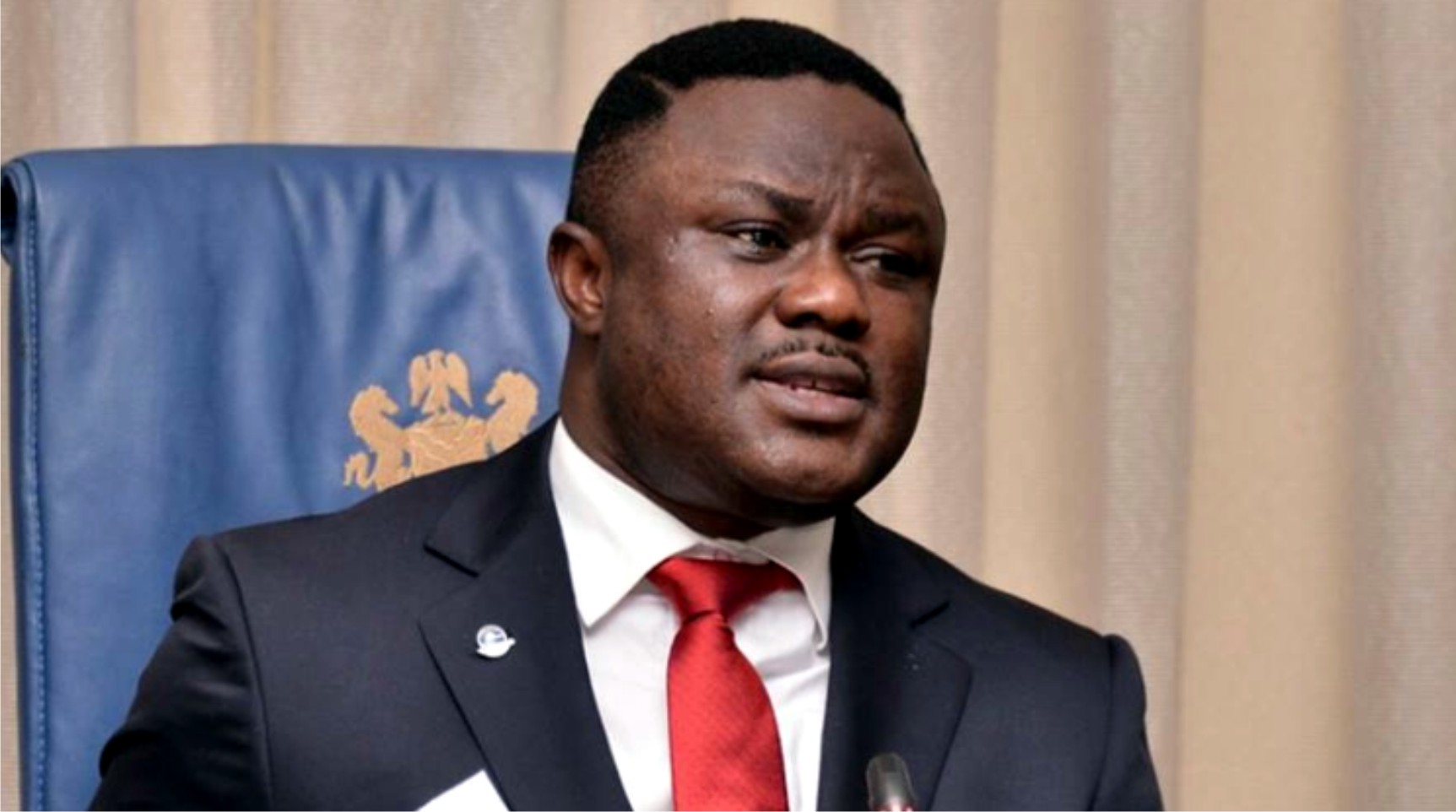
The Cross River State Governor, Prof. Ben Ayade, has explained that a new vista in agricultural value chain is unfolding in the state with his government’s emphasis on Agro- Industrialisation.
He made the explanation while fielding questions from newsmen after a tour of the Cross River Seeds and Seedlings Factory Calabar.
The governor disclosed that his government has embarked on massive agro- industrial transformation never before seen in Nigeria.
According to him, in order to aid this pioneering efforts at large-scale mechanized agro-industrialisation, the State Government has takendelivery of state of the art Agriculture machines from John Deere of the United States of America.
“Cross River has embarked on massive Agro- Industrialization transformation which is the only way to go and it is the first level
of Industrialization. “In industrial revolution, it must be agro- industrial because it is the only system that guarantees massive recruitment of people, massive production and ultimate beneficiation of raw materials, which means you take raw materials like cocoa and process it until you get chocolate”, the Governor said.
Ayade expressed his desire to get Cross River youths gainfullyemployed through Agro-industrialization, saying 90 percent of the industries he has established in the state are agro- based.
“Obviously, there is no way that all the industries I have set up, 90 percent of them agro-based, will function without the appropriate industrial farms.
“For example, the Garment Factory will require cotton, the instant noodles factory, which is rice-based, will require rice, the poultryfarm requires maize and soya beans, the cocoa processing factoryrequire cocoa, the toothpick factory requires organic bamboo and the list goes on,” he said.
Friday Nwagbara, Calabar




History was made on Wednesday 17th June, 2026 when the Okey Onuchuku Institute of Peace and Conflict Studies building was handed over to Ignatius Ajuru University of Education (IAUE).
Speaking during the hand over ceremony, which attracted an array of personalities from various works of life, the 13th Pro-Chancellor and Governing Council Chairman of IAUE, Chief Chinyere Igwe, commended the Vice Chancellor of IAUE, Professor Okechuku Onuchuku, for giving back to the University with the institute’s building project.
While affirming that Government cannot do it all, he encouraged individuals, corporate organizations, institutional partners to ensure the growth of University education in Nigeria.
He praised Tertiary Education Trust Fund (TETFUND) for sustaining University Education in Nigeria, and called for good initiatives and support “that will not only benefit the University, but put IAUE on the map of academic excellence in Nigeria and beyond.”
Earlier, the Vice Chancellor, Professor Onuchuku, expressed gratitude to his wife, Mrs. Chika Onuchuku, and family for all the support given for the vision achieved.

He also thanked his close associates, political friends, well-wishers, and others who donated generously towards the building project.
“The growth of Universities all over the world”, Professor Onuchuku said, “comes from personal efforts of individuals, alumni associations and others.”
He noted that donations as being witnessed is the best way to go and called on all to invest in the Nigerian education system and immortalize their names with worthwhile donations and contributions..
The Okey Onuchuku Institute of Peace and Conflict Studies building, he further stated, “is donated as a Professorial Chair with the Dean of Postgraduate School, Professor Chibuzor Chile Nwobueze, also a Professor of Peace Studies, as the occupant of the Professorial Chair.
Giving his address, the Director, Okey Onuchuku Institute of Peace and Conflict Studies, Professor Kingdom Elendu Ohia Nwaenyi, lauded Professor Okechuku Onuchuku for sacrificing his hard earned salaries, allowances and funds raised from two volumes of textbooks in his honour and titled “Perspectives on Nigeria’s Development”, launched on his 60th birthday.
He noted that the project is the first legacy to be accomplished by any serving Vice Chancellor in the institution.
Professor Nwaenyi stated that the Institute mounted five programmes: Peace and Conflict Studies; Peace Building and Development; Peace Building and Security Studies; Peace Building and Conflict Management; and Peace Education.
The institute, he explained, has birthed over fifty students running programmes in Postgraduate Diploma, M.A, M.Sc, M. Phil, and PhD.
Thirty students are in the PhD programme, fifteen are admitted into the Masters and M.Phil, and eight in Postgraduate Diploma Programme.
He expressed hoped that the Institute would check litigation and provide alternative dispute resolution.
In a vote of thanks, the Chairman, Okey Onuchuku Peace and Conflict Studies and Dean of Postgraduate School, Professor Chibuzor Chile Nwobueze, thanked God for His grace and enablement.
He prayed for the donor and Vice Chancellor of IAUE, Professor Okechuku Onuchuku, and further expressed his gratitude to Professor Isaac Olawale Albert, the third most cited Peace Scholar in the world, for his collaboration in developing a world class curriculum.
While thanking all who supported and celebrated with the University in this regard, Professor Nwobueze assured the public that the Okey Onuchuku institute of Peace and Conflict Studies will emerge as a centre of excellence, contributing meaningfully to scholarship, policy formulation, community engagement and the promotion of peaceful coexistence within Nigeria, Africa and the global Community.
The Institute, he stated, is willing to partner with the Society for Peace Studies and Practice (SPSP) in line with its mandate to promote peace studies, Peace building, Conflict Management and sustainable development.
The institute has over four lecture halls with sixty to one hundred and twenty capacity, a befitting conference hall, offices for staff and a library.
A donation of one million naira was made during the event for the best two graduating students of the institute by Barrister Nyema Wagbara, the Leader of Dynamic Development Club of Port Harcourt based in Rumuolumeni.
Each of the two best graduating students will get the sum of five hundred thousand naira.
The event featured goodwill messages from Professor Isaac Albert, Professor Alwell Nteegah, the Chairman of Society for Peace Studies and Practice, Rivers State Chapter, Dr. Benjamin Ibietonye.
Dr. Emem Nyewene presented the goodwill message of the Society for Peace Studies and Practice National.
Others who gave goodwill messages are Ambassador Green Isaac, the Country Director, Relief International Africa, and Comrade Levi Zachariah George, Chairman Postgraduate Students Association.
The event also featured rendition for Professor Okechuku Onuchuku by Dr Maria Abidiak.

-
Rivers3 days ago
Rivers Police Uncovers Firearm Concealed In Loaf Of Bread
-

 Niger Delta3 days ago
Pro-Chancellor Hands Over Okey Onuchuku Peace, Conflict Institute Building
-
Sports3 days ago
Six Nigerians To Play For NBA Teams
-

 Business3 days ago
IPMAN Raises Concern Over Delay In Chinese Refinery Deal …Predicts Lower Fuel Prices Through Competition
-

 News3 days ago
Fubara Reaffirms Commitment To Blue Economy, Private Sector Growth …Calls For Protection Of Marine Resources
-
Business3 days ago
Gas Economy: Decade of Gas, Pi-CNG/ EV Deepen Media Engagement
-

 Politics3 days ago
Senate Defends Passage Of State Police Bill
-
Sports3 days ago
NPFL Warns Newly Promoted Clubs