
Business
NDPHC Laments NIPPS Power Supply Rejection

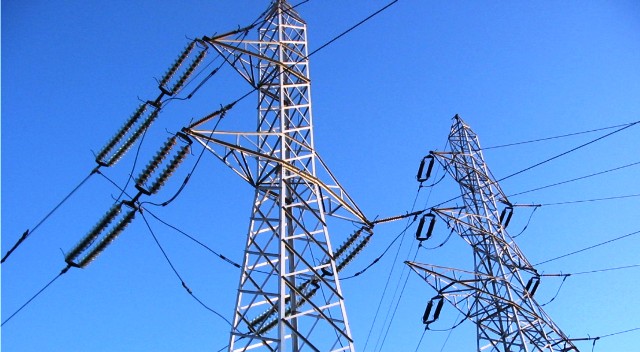
The Niger Delta Power Holding Company (NDPHC) Limited has decried the rejection of power supplies from the National Integrated Power Projects in (NIPP) by the Distribution Companies (DisCos).
NDPHC said out of the 4,000 megawatts of electricity that is mostly available from the National Integrated Power Projects, only an average of 700MW is being dispatched, noting that the reason for this was due to electricity load rejection by power distribution companies.
This meant that the Discos are rejecting about 3,700MW of electricity being produced by the NIPPs, which were plants under the management of the NDPHC.
The NDPHC was incorporated under the Companies and Allied Matters Act as a private limited liability company with shareholding fully subscribed to by the federal, state, and local governments, with a mandate to manage the power projects tagged “National Integrated Power Projects”.
The power firm, which revealed this in its July 2023 report on “Maximising National Integrated Projects”, obtained on Monday, identified the load rejection by Discos as part of its electricity generation and operations challenges.
Under the section of transmission constraints, the firm said, “NDPHC has installed capacity of about 4,000MW which are mostly available, except for maintenance outage but is dispatched at about 700MW on average by the System Operator for reasons ascribed to load rejection by Discos.”
According to the report, System Operator is an arm of the Transmission Company of Nigeria, an organisation owned by the Federal Government, which transmits electricity generated by power generation companies to distribution firms across the country.
Nigeria’s power generation and supply from the national grid had continued to hover between 3,500MW and 5,000MW, despite the enormous need for electricity by the about 200 million citizens of Nigeria.
The power generation and distribution arms of the sector were privatised in November 2013, but Nigerians had repeatedly expressed disappointment in the exercise.
Also in the latest report, the NDPHC stated that the “inadequate dispatch (of power) grossly affects NDPHC’s revenue generation capacity”, adding that there had been irregular dispatch (Disco load rejection).
By: Corlins Walter



Business
Jonathan, Diri, Others Laud Firm’s Milestone in Bayelsa …Says Project Will Drive Industrialisation, Create Jobs



-

 News3 days ago
RSG Targets Nine Million Residents in Mosquito Net Distribution Campaign
-

 Oil & Energy3 days ago
Aiyedatiwa Signs New Electricity Bill
-

 Maritime3 days ago
Marine Minister Commends President Tinubu On NPERA Bill Assent
-

 Oil & Energy3 days ago
NLNG Commissions Research And Innovation Centre In RSU
-

 News3 days ago
KenPoly Holds Eight Convocations, August 29
-

 News3 days ago
RSG Begins Another Phase of Projects Commissioning Today
-

 News3 days ago
RMAFC Completes Revenue Sharing Review, Proposes New Pay
-

 Maritime3 days ago
NAGAFF Petitions IGP Over Alleged Maritime Police Harassment