
Business
Price Fall: Lawyer Tasks FG On Corruption, Productivity

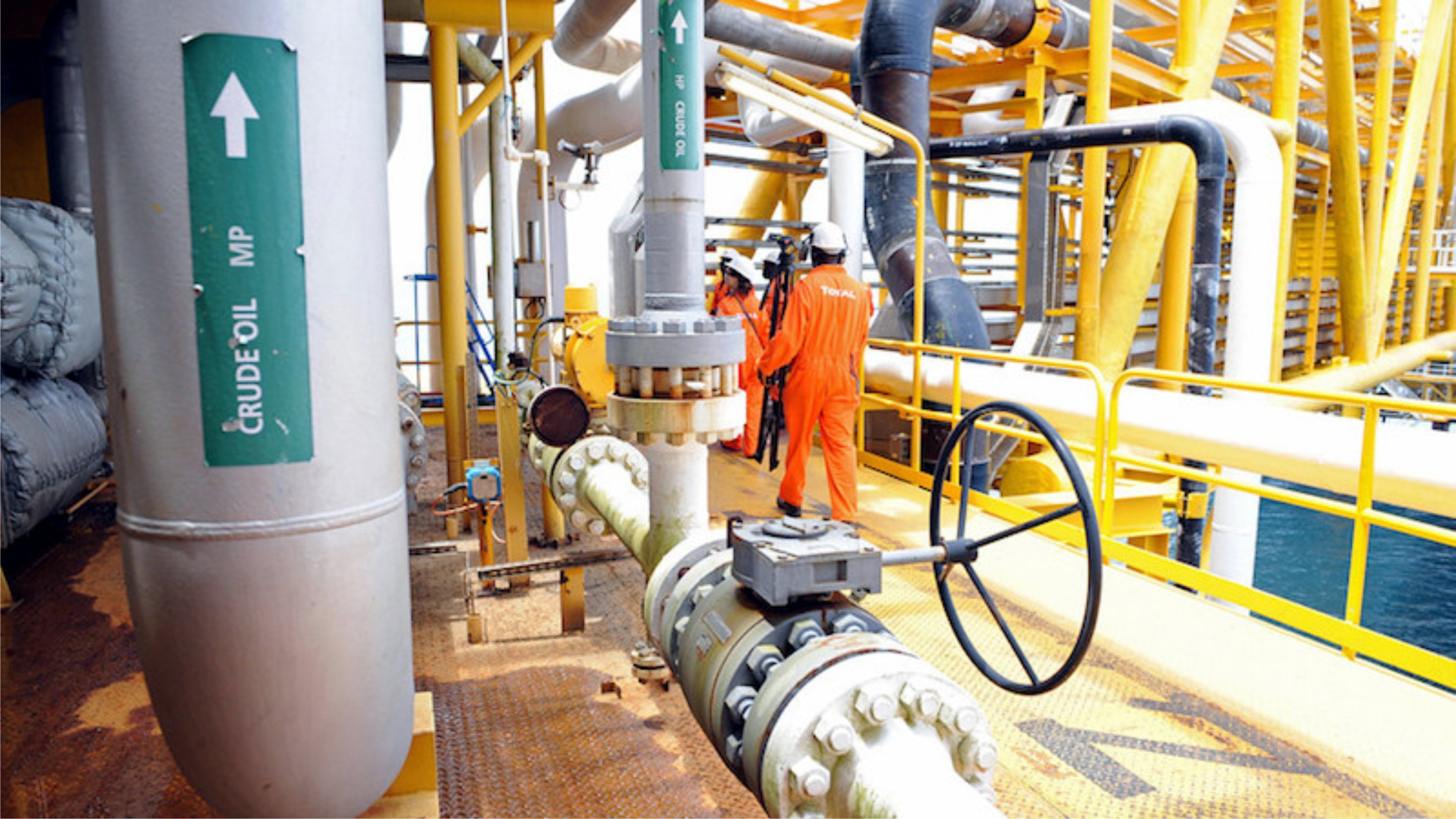
A constitutional lawyer, Prof. Itse Sagay (SAN), on Monday advised the Federal Government to tackle corruption and increase productivity in the non-oil sectors of the nation’s economy.
Sagay gave the advice in a telephone interview with newsmen in Lagos on Monday.
The government had on Sunday announced the introduction of austerity measures to address the global fall in the price of crude oil.
Dr Ngozi Okonjo-Iweala, the Minister of Finance and the Coordinating Minister for the Economy, said the measures would see Nigerians paying taxes on luxury goods.
Sagay, however, said that the oil glut could be a blessing in disguise for Nigeria.
He said that the country must stop its dependence on oil as the major source of its revenue and diversify into other sectors.
“Nigeria is blessed with abundant resources and not just the oil from the Niger-Delta region. But we have become very lazy and have been depending on oil revenue for many years now.
“In the first Republic, the regions were very productive. They developed their own resources and even paid money into the coffers of the Federal Government.
“But today, all the states queue up to collect allocations from Abuja, which is not good for our economy,” Sagay said.
He said that the government should demonstrate the political will to end corruption and wasteful expenditure in the public sector.
According to him, these issues must be addressed due to the impending harsh economic realities being faced by the country.
Mr Yinka Farounbi, Chairman, Nigerian Bar Association (NBA), Ikeja branch, also called for the diversification of the economy.
“We have been saying this all along that our dependence on crude oil as the mainstay of our economy should be minimal.
“There are other natural resources that can enhance the country’s internally generated revenue.
“Agriculture is also there but we have not been able to tap into these sectors because everybody is concentrating on crude oil,” he said.
The NBA chairman expressed fear that the impending structural adjustment would increase the rate of poverty in the country.
“The impending structural adjustment will further plunge the citizens of the country into poverty. It will make them to become poorer,” he said.
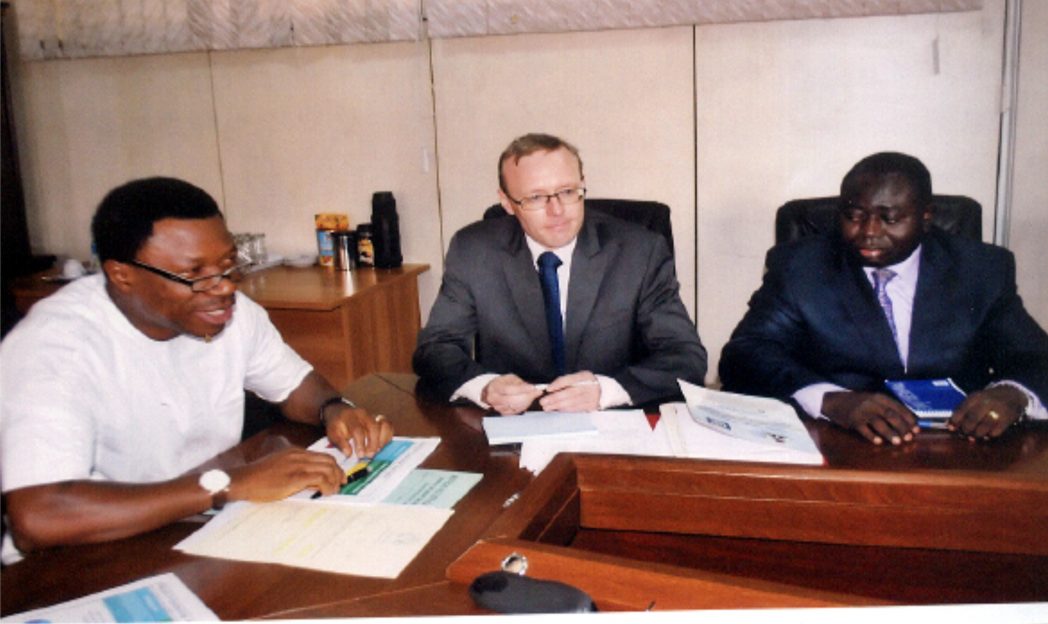
L-R: Rivers State Commissioner for Budget and Economy Planning, Hon. Gogo Charles Levi, World Bank task team leader SEEFOR, Jens Kristensen, and coordinator SEEFOR Tunde Lawal, during a meeting recently. Photo: Prince Obinna Dele



-
Politics15 hours ago
Yari Emerges DG As Tinubu Unveils 2027 Presidential Campaign Council
-
Politics16 hours ago
2027: ADC Candidate Tasks INEC On Integrity, Intensifies Consultations
-
 News13 hours ago
Tinubu Appoints Enitan As New Head Of Federal Civil Service
-
Sports16 hours ago
NSC Celebrates Historic Beach Volleyball Olympic Qualification
-
Sports15 hours ago
Arsenal Want Osimhen To Take Pay Cut
-
Sports16 hours ago
Nnadozie, Osimhen Lead Highest-Rated Nigerian Players
-
Politics16 hours ago
Duke Attacks Tinubu’s Economic Policies, Says Subsidy Removal Impoverishes Masses
-
 News12 hours ago
Fubara Hails Team Rivers For Winning Tinubu Inter-Schools Debate Championship …Describes Victory As Great Feat For Rivers