
Nation
THE STATES

Damaturu
Team leader of the Nigerian Educational Research and Development Council, NERDC, Prof. Fred Onyeoziri, has identified two ingredients critical to the successful implementation of the new nine – years basic education curriculum of the Universal Basic Education (UBE) as designed by the council.
According to him, to ensure fun the scheme is beneficial to the pupils as envisioned, the nation must phase out grade II teachers from the nine-year basic education programme and separate junior secondary schools from the senior ones. Onyeoziri spoke recently in Damaturu at the North – East advocacy forum at the NERDC.
He said that the new curriculum for the primary six and junior secondary schools was designed by the council to ensure equal access to ‘functional and qualitative” education, with a view to developing the pupils’ educational, entrepreneurial and moral potentials for a better society. The new scheme kicked off nationwide last month.
“The new curriculum cannot be instilled in the pupils without qualified and trained teachers.
The minimum teaching requirement at the primary and junior secondary schools is the National Certificate of Education (NCE) and not Grade II Teachers certificate as obtainable in some states in the North,” Onyeoziri said.
Abuja
The Action Congress (AC) yesterday condemned the plan by federal legislators to surreptitiously grant themselves and their state counterparts the kind of immunity from arrest and prosecution now being enjoyed by the President, Vice President and the governors of the 36 states.
In a statement issued in Abuja last Monday by its National Publicity secretary, Lai Mohammed, the party said the bill which, according to media reports, has scaled second reading in the House, could create a new set of untouchables if passed into law.
The party, therefore, asked all Nigerians to “rise against this selfish move by a few elected officials, who are now lording themselves over those who elected them into office, and who believe they should be above the laws of the land”.
It said if the ill-advised move is aimed at curbing the excesses of the security agencies, as claimed by some of its supporters, it shows that the lawmakers are nothing but a bunch of selfish people, since all they are seeking to do is to protect themselves alone, not those who elected them into office.
AC said innocent Nigerians are being illegally arrested or knocked down daily by trigger-happy security agents, but those who were supposed to be the representatives of the same people are taking to a flight of fantasy by seeking to create a new law to protect themselves only, instead of protecting those who elected them.
Kano
The Kano State Chapter of All Nigeria Peoples Party (ANPP) has given Governor Ibrahim Shetarau the privilege to pick his successor in the 2011 election.
The Party’s Secretary, Alhaji Rabiu Bako, Monday told reporters in Kano that the decision was taken at the stakeholders meeting held at the government House. He said as a stakeholder in the party and an incumbent, it was natural that Shekarau should be given the privilege to name his successor.
Bako added that the meeting directed all members of the party interested in the governorship ticket to suspend their campaigns forthwith.
The stakeholder’s forum, the secretary said, urged Shekarau to vie for the presidential ticket in 2011.
He said the party would soon begin to campaign for Shekarahu’s candidacy for the presidency.
The Secretary said the meeting had directed the state executive council members, headed by Alhaji Sani Itotoro, to remain in office beyond 2010 in recognition of their achievements, especially in ensuring the party’s successes in past elections.
Ogbomosho
The election by the Federation of Oyo State Students’ Union (FOSSU) of an executive to pilot its affairs for the next one year has turned into a farce.
At the end of polling, an ex-student was declared president.
The election held at the Ogulola Township hall Oja Igbo Ogbomoso.
Olafemi Taiwo Okunlola, an ex-student of Olabisi Onabanjo University, Ogun State, was declared president, another student, Saamon Aborisade, who has been justicated from Ladokc Akintola University Ogbomoso was also elected into the executive.
Prior to the election day, intense screening and ratifications were carried out. At the end, sensitive positions like those of President and Secretary-general had only one candidate standing. Many students who spoke to The Tide accused the state government of interfering in their affairs and imposing candidates on them.
Others who were so ‘selected” included Shuaib Alojialapa (Vice President), Ezekiel Ayansiji (Assistant Secretary-General), Idowu Okedara (Auditor), Ahmed Muili (Welfare Director), Opeyemi Amuda Opeyemi (Social Director II) and Mose bolatan Adeyemo ( Social Director I). Samson Aborisade Samson emerged the Senate President.
Prior to the election, violence had ensued between Olafeni’s supporters and those of Tunde Saka, another presidential aspirant and student of Obafemi Awolowo university, Ile-Ife.
In the free-for-all, some students were injured. Mobile Policemen were present throughtout. Equally present was the out-going President of the body, Bashir Alade.
Meanwhile, many students have called for the cancellation of the election on the basis of the many irregularties that characterised it.
The Federation of Ogbomosho students’ Union (FOGSU), one of the five zones that makeup FOSSU, in a letter signed by Tope Olawuyi, Sarafedeen Abdulazzez and Adekunle Oluseyi, urged its member to dissociate themselves from the election which is described as “a selection and imposition of rusticated, ex-and ghost students of the state students unionism.
The letter accused Governor Adebayo Alao-Akala of imposing his likes on students through his special Adviser on Youth, Mr. Ismail Akindele.
Students also asked that all those who purchased forms to run and were disqualified on “flimsy” excuses should be refunded their money. They accused the electoral committee of exploiting their mates by selling the forms for between N5,000 and N7,500.
The students, who accused Akindele of “excessive interference in student unionism in the state since 2007”, also called for the man’s removal as special Adviser on youth, so that he would not “impose leaders on us anymore.
They further rejected the imposition and called for a fresh, free and fair election.
Akure
The Executive Director/Chief Executive Officer (CEO) of Nigerian Export Promotion Council (NEPC) Mr. David Adulugha, has identified lack of competitive products in the international market the bane of the non-oil export sector.
Besides, he noted that inadequate infrastructure has contributed to the cost of doing business in the country.
Speaking at a one-day workshop on Administration of Export Finance and Incentives in Nigeria, Adulugba said the preference of Nigeria’s financial instructions for funding import activities to the detriment of export further compounded the problem of an average Nigerian exporter.
The workshop organised by Akure Zonal office of NEPC was held in Ado-Ekiti where the NEPC boss disclosed that the federal government had introduced a package of incentives to encourage Nigerian exporters.
This is to increase the volume of their exports, broaden export product and market coverage as well as diversify the production base of the economy.
He said incentive schemes were also aimed at increasing foreign exchange earning capacity of non-oil export sector and address the major problems of supply; demand and price competitiveness of Nigerian products in the world market.
In his opening remark, Ekiti State Governor Segun Oni said the workshop came at a time when the present administration is exerting effort to transform the economy of the state in the area of enterprise.
According to him, 97 select graduates are under-going a three – month intensive course in entrepreneurship to nurture future entrepreneurs who would transform the economic landscape of the state.
In a communiqué issued after the workshop, participants urged the federal government to reduce the number of security check points along the ECOWAS regional trading routes.
They also pleaded with exporters to keep record of transactions to reduce delay in processing their Export Expansion Grant (EEG) claims, while appealing to the Central Bank of Nigeria (CBN) to strengthen its monitoring mechanism to reduce incidence of non-declaration and repatriation of Actual Export Proceeds (AEP).
The Akure Zonal manager of NEPC, Mr. A.L. Ako said the programme was packaged as part of efforts to create export awareness and capacity building of exporters and members of the state committees on export promotion in Zonal office covering Ondo, Edo, Delta, Ekiti, Kwara, Kogi and Osun States.
Lokoja
The Kogi State government has partnered Salem University, a private university to train 300 youths in the state.
Flagging off the entrepreneurial training at one of the lecture theatres of Salem, the governor, Alhaji Ibrahim Idris said apart from shouldering their tuition fees, the government would also provide credit facilities to each participant to cushion their business at the end of the training.
He said youth empowerment is one of the state’s politicies aimed at reducing unemployment.
He assured the youths that his administration would continue to accord importance to their well being.
The 300 youths were selected from the 21 local government areas of the state for the three month training.
He therefore directed all the local government chairmen to accommodate participants from their respective local government area for the duration of their training in Lokoja.
Also speaking on the occasion, the special Assistant to the Governor on Youth empowerment, Mr. Friday Abdul Sanni said the state government has spent over N50 million monthly on youths in the state.
The vice-chancellor of the university, Prof. Paul Omojo Omaji, said the participants would get certificates at the end of the training.
Omaji, who pointed out that no amount of money spent by any government on youths is too much, said empowering youths in any society would reduce social vices such as thuggery, robbery, kidnapping, among other crimes.
He assured the state government that the university would train the youths and make them global leaders.
Jos
Plateau State Governor Jonah Jang has said that the government would establish a cancer-screening centre in each of the three senatorial districts.
He said this became necessary to check the disease, especially in women.
Jang spoke at the Government House, Jos, while hosting a medical team from the African Centre for Cancer Care, a non-government organisation (NGO) based in Houston, United States.
A statement by the Director of Press and Public Affairs to the Governor, James Monnok, said Jang promised that the government would begin retraining of surgeons to deal with cancer cases.
The statement added that the government had accepted to pay the medical bills of parents with the disease and send serious cases for advanced treatments aboard.
The team leader, Dr. Eucharia Iwuanyanwu, said the organisation was set up in 2005 to provide basic health education and other statutory responsibilities to cancer patients.
He, however, noted that when the organisation discovered that cancer related cases, especially cervical cancer in women were rampant, the organisation decided to proffer solution through awareness, screening and treatment.
About 700 patients had been screened in the state and those with the disease would soon be treated.
IIorin
Traditional and religious leaders in Kaima local government Area of Kwara State have been urged to support government’s effort to eradicate polio.
Governor Bukola Saraki spoke on Tuesday at Kaima General Hospital.
He stressed that the vaccine being administered against polio did not have any negative effect on children.
The governor noted that Kaima Local Government Area is prone to wild polio virus (WPV) invasion from neighbouring states.
He said; “This facility provides routine immunization services to children from 0 to 5 years of age.
“All nursing mothers are urged to avail themselves of this opportunity to ensure that all children under 5 are immunised.
“This is in addition to the adhoc immunisation; that is periodically conducted by the state government with the assistance of the federal ministry of health, national and international partners.
“Therefore, the importance attached to health care services is portrayed in many strategies adopted to improve the health care indices of the state.
“Such stategiees include primary healthcare, disease control, immunisation, provision of essential drugs, HIV/AIDS control, capacity building, upgrading of infrastructure in many primary, secondary and tertiary health centres.
These hospitals are supplied with modern medical and accessibility to health care service by the rural dwellers is being strengthened by the scale up of community health insurance scheme which is now fully functional in Kwara North and Kwara Central, respectively.
The governor said it costs government a huge amount of money to upgrade the Kaima General Hospital.
He stated that the government spent N78 million to procure medical equipement, furniture, ambulance, fencing and civil works of the hospital.



As the world marked the 2026 International Day of the Girl Child on Sunday, October 11, 2026, a non-governmental organisation, Stand Up for Women Society (SWS) has intensified its campaign against child marriage, urging schoolgirls to prioritise education, protect their rights and develop skills for a better future.
The organisation joined the global observance of the day under the theme, “International Day of the Girl Child: End Child Marriage and Invest in Girls’ Rights,” with a sensitisation programme at Government Girls Secondary School, Oromenike, D-Line, Port Harcourt, Rivers State.
Led by its Vice Chairperson, Daba Benebo, the group engaged the students in discussions on the dangers of early marriage, teenage pregnancy, sexual abuse and other challenges that threaten the education, safety and development of the girl child.
Speaking during the programme, Benebo urged the students to reject early marriage and remain focused on their studies, stressing that education would empower them to make informed decisions about their lives and future.
She cautioned the girls against allowing anyone to deprive them of their right to education and dignity, advising them to report cases of harassment, abuse and other violations of their rights to the appropriate authorities.
Benebo assured the students that SWS remained available to support them whenever they encountered violations of their rights.
She also encouraged them to maintain discipline and responsible conduct while avoiding behaviours that could expose them to negative influences and jeopardise their future.
Beyond formal education, the SWS vice chairperson urged the students to acquire vocational skills that could provide additional opportunities for economic independence and help them navigate future challenges.
The sensitisation programme, enlivened by singing, dancing and to share their views and experiences on issues affecting the girl child interactive sessions, provided an opportunity for the students to share their views and experiences on issues affecting the girl child.
One of the major issues raised during the discussion was the appropriate age for marriage. While some participants maintained that 18 years was the constitutionally approved age, the discussion highlighted the need to consider not only age but also the maturity, preparedness and responsibilities associated with marriage.
The speaker stressed that marriage required adequate mental and emotional preparation, as well as the capacity to shoulder its responsibilities.
She therefore advised the students to concentrate on acquiring a sound education before considering marriage, noting that education would equip them with the knowledge and skills needed to make responsible decisions and manage family life.
The issue of teenage pregnancy also featured prominently during the question-and-answer session.
In addressing the subject, the speaker explained that pregnancy could occur even at the age of 12, using the example to underscore the vulnerability of young girls to the consequences of early sexual activity.
She advised the students to avoid sexual intercourse and prioritise their education, personal safety and future aspirations.
The discussion also examined the difficulties some girls encounter when living with hostile spouses, relatives or guardians.
Benebo encouraged the students to cultivate patience, humility and diligence, noting that these qualities could help them navigate difficult situations and build a brighter future.
However, she warned that patience and humility should never be interpreted as an obligation to endure violence, abuse or degrading treatment.
She urged girls experiencing hostile or abusive living conditions to seek help from their parents, trusted adults or appropriate support services rather than remain in environments that could expose them to physical or emotional trauma.
“When such happens, please return to your parents and engage in petty trade or learn a skill to support your education rather than stay in a hostile environment,” Benebo stressed.
The programme also underscored the importance of protecting girls from early marriage and other harmful practices that can disrupt their education, compromise their well-being and limit their opportunities in life.
It also reinforced the need for families, schools, communities and relevant organisations to work together to ensure that girls have access to education, vocational training, protection and the support they need to realise their potential.
For SWS, the message was clear: empowering the girl child begins with protecting her rights, investing in her education and equipping her with the confidence and skills to make informed choices about her future.
Stories by Kevin Nengia
The Egberipapa Foundation has unveiled a mass transit scheme aimed at easing transportation difficulties and improving connectivity among communities in the three Kalabari local government areas of Asari-Toru, Degema and Akuku-Toru in Rivers State.
The initiative, established by former Caretaker Committee Chairman of Akuku-Toru Local Government Council, High Chief Sobomabo Jackrich, popularly known as Egberipapa, is designed to make transportation more accessible and affordable for residents across the Kalabari area.
The scheme was launched on Monday, October 12, 2026, and is expected to address longstanding transportation challenges confronting residents, particularly those in riverine and hard-to-reach communities.
Communities expected to benefit from the initiative include Krakrama, Minama, Angulama, Sangama, Omekwe-Tariama and Omekwe-Ama.
The project is expected to ease movement within and beyond the Central Group area, while providing residents with a more convenient means of transportation for their daily activities.
For decades, transportation difficulties have posed significant challenges to several Kalabari communities, making movement between settlements both cumbersome and expensive. These challenges have also affected commercial activities, social interactions and access to essential services.
The introduction of the mass transit scheme is therefore expected to provide relief to residents, strengthen inter-community connections and stimulate economic activities across the benefiting communities.
Beyond improving mobility, the initiative could contribute to community development by facilitating the movement of people and goods, supporting local businesses and enhancing social and economic interactions within the Kalabari area.
As the scheme gets underway, attention will be focused on its implementation, accessibility and sustainability, as well as its capacity to deliver lasting transportation benefits to the target communities.
The initiative represents a potentially significant step towards addressing transportation challenges and promoting grassroots development across the Kalabari Kingdom.
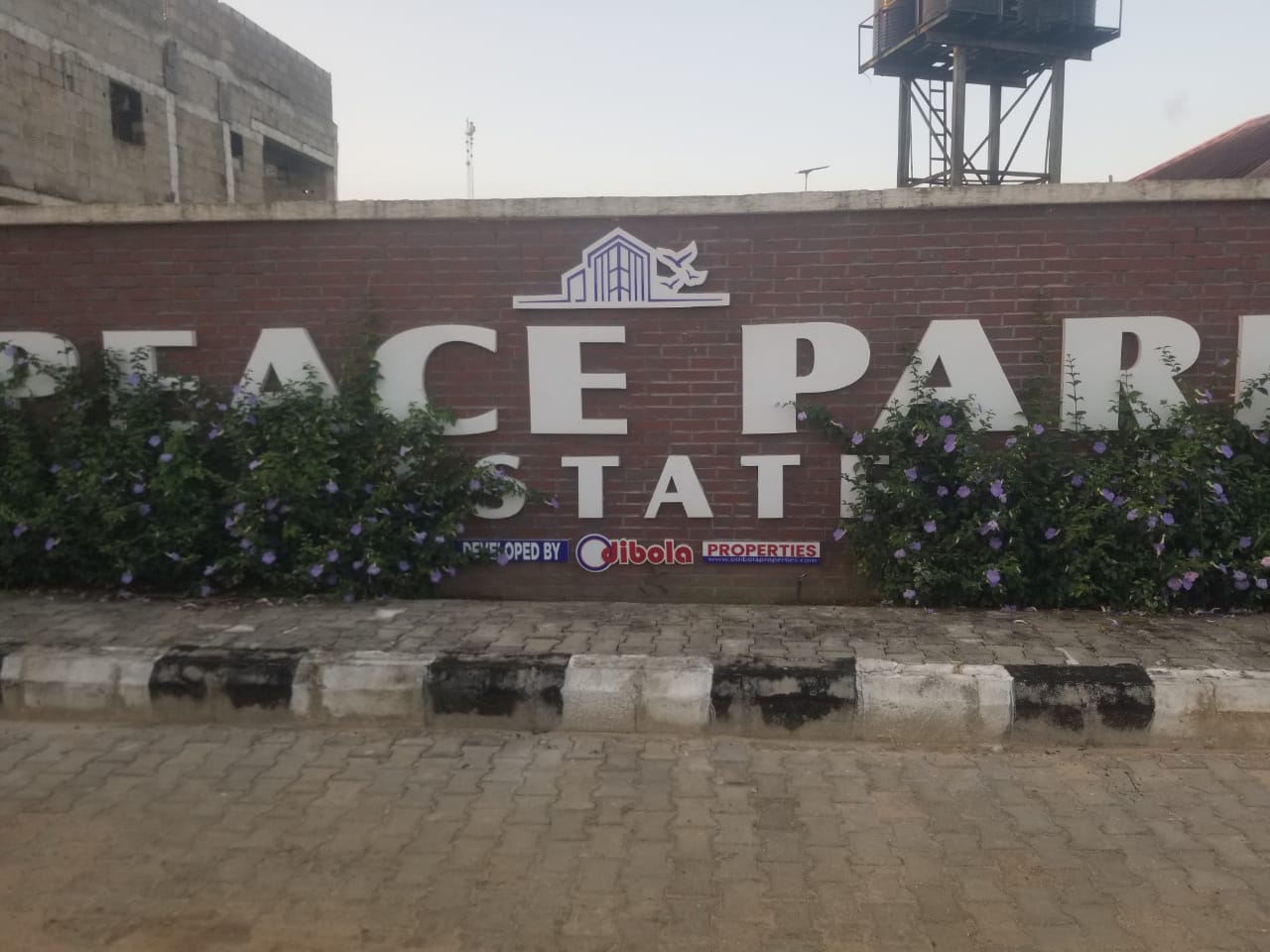
The Amaewhule family of mbodo Aluu in Ikwerre Local Government Area of Rivers State has cautioned members of the public against entering into any land transaction involving a disputed property known as “Ada Oro Fam Land,” located behind the OPM Church along Airport Road.
The family, through its legal counsel, Barrister Ndubuisi Agumagu, issued the warning amid an ongoing legal dispute over the ownership and control of the property, which is said to comprise more than 900 plots of land.
The matter is currently before the Isiokpo High Court of Rivers State in a suit numbered IHC/246/CS/2026, presided over by Justice Sobere Biambo.
The claimants in the suit include Chief Green Amaewhule and others, while Fabulous Amaewhule and Odibola Properties are listed among the respondents.
Counsel to the Amaewhule family, Barr Ndubuisi Agumagu, advised prospective land buyers and members of the public to exercise caution and refrain from purchasing any portion of the disputed property pending the determination of the case by the court.
According to the legal counsel, the property is a family estate belonging collectively to the Amaewhule family, and no individual member of the family has the authority to unilaterally dispose of portions of the land.
The counsel specifically maintained that Fabulous Amaewhule, one of the respondents in the suit, does not have the legitimate authority, according to the family’s position before the court, to sell portions of the disputed property.
The family further warned that anyone who proceeds to purchase land from the respondents while the matter remains before the court would be doing so at their own risk.
It stressed that such buyers could potentially lose their investments should the court eventually deliver judgment against the validity of the transactions.
The legal team said the warning became necessary to prevent unsuspecting members of the public from committing their resources to a property whose ownership and right of disposition are currently the subject of judicial determination.
The family also urged prospective investors, developers and land buyers to conduct proper legal inquiries and obtain independent verification of the status of the property before committing funds to any transaction relating to it.
The Amaewhule family said its position was intended to protect members of the public from possible financial losses and further legal complications while the case remains sub judice, stressing that interested parties should await the final determination of the court.
Akujobi Amadi
-

 Education2 days ago
FCE Yola Graduates 3,555 Teachers , Seeks Upgrade to University
-

 Sports2 days ago
Nigerian Trio Target Titles At PFL Africa Finals
-

 Niger Delta2 days ago
Diri Restates Stance On Lagos-Calabar Coastal Highway
-

 Niger Delta2 days ago
C’River, NUJ Pay Tribute To Late Guardian Editor
-

 News2 days ago
NDLEA Recovers Tons Of Illicit Drug Consignments In Nine States
-

 Opinion2 days ago
Checking Voter Apathy In Nigeria’s Electoral Process
-

 Politics2 days ago
2027: DICKSON’S EX-ALLY VOWS TO WORK AGAINST NDC INTEREST IN BAYELSA
-

 Politics2 days ago
2027: GROUP PLEDGES 40,000 SUPPORTERS FOR COALITION CANDIDATES IN RIVERS